

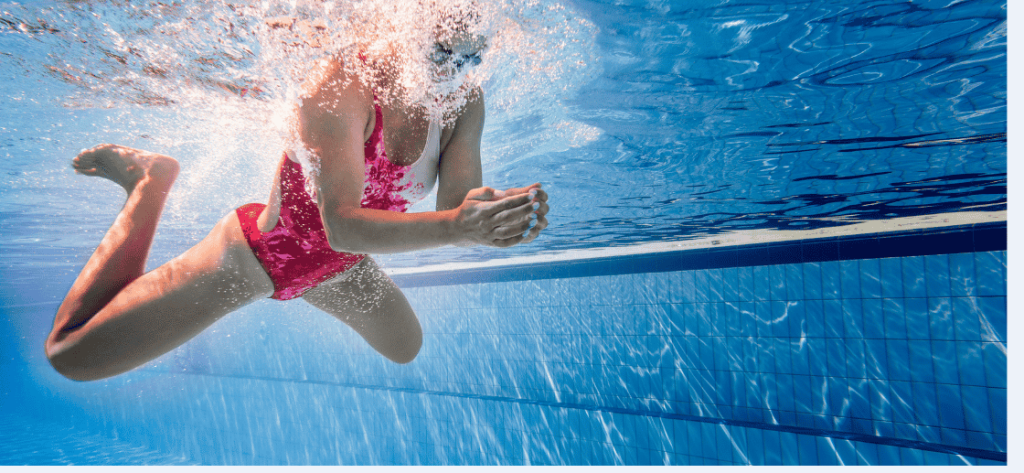
10 Breaststroke Swimming Tips: Improve Your Technique, Kicking and Breathing
Breaststroke is one of the four main competitive swimming strokes, alongside freestyle, backstroke, and butterfly. It is a popular stroke among beginners and recreational swimmers because it allows swimmers to maintain a relatively comfortable pace and develop coordinated movements.
Although breaststroke may appear simple, swimming it efficiently requires proper timing between the arms, legs, breathing, and gliding.
Many beginners struggle with breaststroke because they bend their knees excessively, perform an ineffective frog kick, lift their heads too high, or fail to coordinate their movements correctly.
At Friendly Dolphin Swim School, we help children and adults learn swimming through structured lessons that focus on water confidence, correct techniques, and progressive skill development.
In this guide, we share ten practical breaststroke swimming tips to help you improve your technique, efficiency, and confidence in water.
1. Maintain a Streamlined Body Position
Good body alignment is essential for efficient breaststroke swimming.
Unlike freestyle, which uses continuous alternating movements, breaststroke involves a repeated cycle of pulling, breathing, kicking, and gliding.
During the glide, your body should become relatively horizontal and streamlined to reduce water resistance.
Tips for Proper Body Alignment
- Keep your head in a neutral position.
- Extend your arms forward during the glide.
- Maintain a long body position.
- Keep your hips near the water surface.
- Avoid excessive vertical movement.
A streamlined position allows swimmers to travel further with less unnecessary resistance.
2. Master the Breaststroke Frog Kick
The breaststroke kick is one of the most important sources of propulsion in this stroke.
It is commonly called the frog kick or whip kick because the legs move in a coordinated outward and backward motion.
Whip kick – Breaststroke and elementary backstroke
The whip kick is used in breaststroke and elementary backstroke. This kick uses the bottoms of the feet to push water backward and propel the swimmer forward.
Steps:
- Bend the knees: Bring the heels towards the buttocks.
- Flex the ankles: Pull the toes towards the shins.
- Turn the feet outward: Rotate both feet to the sides.
- Whip the legs around: Move the lower legs outward and backward in a circular whipping motion, pushing water backward.
- Bring the legs together: Straighten the legs, point the toes and bring both feet together to finish the kick.
Teaching cues:
- Keep the knees approximately shoulder-width apart.
- Bend the knees and flex the ankles.
- Whip the legs around.
- Push the water backward with the feet.
- Point the toes and bring the legs together.
Key principle: Both legs should move symmetrically to generate forward propulsion.
Common Kicking Mistakes
- Bringing the knees too far apart
- Keeping the feet pointed instead of turning them outwards
- Kicking downwards instead of backwards
- Failing to bring the legs together
- Performing unequal leg movements
A well-coordinated breaststroke kick helps generate forward propulsion.
3. Improve Your Breaststroke Arm Pull
Breaststroke uses simultaneous arm movements.
The arms begin extended in front of the body, sweep outward, then move inward before extending forward again.
How to Perform the Breaststroke Arm Movement
- Begin with both arms extended forward.
- Turn your hands slightly outward.
- Sweep your hands outward to begin the catch.
- Bend your elbows and press water backwards.
- Bring your hands inward beneath the chest.
- Extend both arms forward into the glide.
Avoid pulling your hands too far backwards towards your hips during ordinary breaststroke swimming.
An efficient arm pull helps lift the upper body for breathing and prepares the swimmer for the next stroke cycle.
4. Coordinate Your Arms, Breathing, Kick and Glide
Timing is one of the most important aspects of breaststroke.
A common beginner rhythm is:
Pull → Breathe → Kick → Glide
This sequence helps swimmers understand the coordination of the different movements.
Breaststroke Coordination
| Phase | Movement |
| Pulls | Arms sweep outward and inward |
| Breathe | Head rises naturally as the upper body lifts |
| Kick | Legs perform a coordinated whip kick |
| Glide | Arms and legs extend into a streamlined position |
These phases overlap slightly during actual swimming, but the sequence provides a useful learning guide.
5. Practise Proper Breaststroke Breathing
Breaststroke breathing is coordinated with the arm pull and upper-body movement.
Swimmers generally inhale as the head rises above water during the pulling phase.
They then exhale as the face returns underwater.
Breathing Tips
- Inhale when your mouth clears the water.
- Avoid lifting your head excessively.
- Exhale comfortably underwater.
- Keep your neck relaxed.
- Coordinate breathing with your arm movements.
Holding your breath unnecessarily can disrupt your swimming rhythm.
Beginners should practise breathing exercises before attempting longer distances.
6. Avoid Lifting Your Head Too High
One common breaststroke mistake is raising the head excessively to breathe.
This can cause the hips and legs to sink, increasing water resistance.
How to Correct This Mistake
- Keep your head aligned with your upper body.
- Allow your shoulders and chest to rise naturally.
- Inhale when your mouth clears the surface.
- Return your face to the water during forward arm extension.
- Avoid looking straight ahead throughout the entire stroke.
A lower and more controlled breathing movement supports efficient swimming.
7. Improve Your Glide
The glide is an important part of breaststroke swimming.
After completing the kick, swimmers extend their arms and legs into a streamlined position.
This allows the body to travel forward while reducing unnecessary resistance.
Tips for a Better Glide
- Extend both arms forward.
- Bring your legs together.
- Keep your head neutral.
- Maintain a long body position.
- Avoid unnecessary movements.
However, gliding for too long can cause swimmers to lose momentum.
The objective is to maintain an effective rhythm rather than pause excessively between strokes.
8. Keep Your Kicking Movements Symmetrical
Breaststroke requires coordinated and relatively symmetrical leg movements.
An uneven kick may cause the body to rotate or move inefficiently.
Tips for Symmetrical Kicking
- Bend both knees in a coordinated manner.
- Turn both feet outward.
- Push water backwards with both legs.
- Bring the legs together at the end of the kick.
- Practise slowly to improve coordination.
A swimming instructor can help identify differences between the left and right leg movements.

