

How to Prevent Drowning: 15 Essential Water Safety Tips for Children and Adults
Learn how to reduce drowning risks, recognise water emergencies and develop safer swimming habits for yourself and your family.
Swimming is an enjoyable physical activity that offers many health, fitness and recreational benefits. However, swimming pools, beaches and other bodies of water can present serious risks when appropriate safety precautions are not followed.
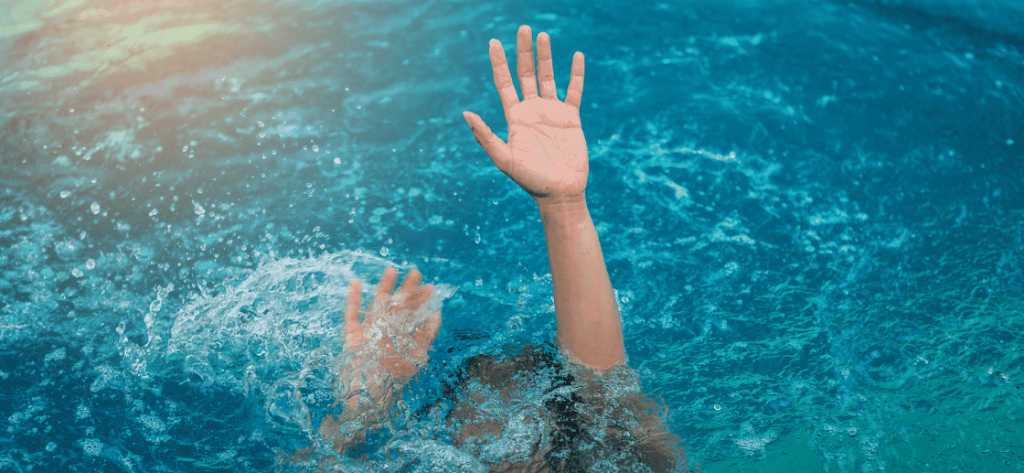
Drowning can happen quickly and may occur without the loud splashing or shouting commonly portrayed in movies.
Fortunately, many drowning incidents are preventable through effective supervision, safer swimming environments, water safety education and appropriate swimming skills.
At Friendly Dolphin Swim School, we believe that learning to swim should include developing water confidence, understanding water safety and recognising personal swimming limitations.
In this article, we share 15 important drowning prevention tips to help children, parents and adults stay safer around water.
1. What Is Drowning?
Drowning is the process of experiencing respiratory impairment due to submersion or immersion in liquid.
Drowning incidents may result in death, survival with injury or survival without lasting injury.
A person experiencing drowning may be unable to call for help because they are struggling to breathe.
Some warning signs include:
- Difficulty keeping the head above water
- Gasping or struggling to breathe
- Little or no effective forward movement
- An upright body position with ineffective kicking
- Attempts to push down on the water
- Unusual silence or sudden disappearance underwater
These signs are not present in every incident. Any swimmer who appears distressed or becomes unresponsive requires immediate attention.
2. Why Is Drowning Prevention Important?
Drowning can affect people of all ages, including individuals who already know how to swim.
Children may be particularly vulnerable because they can enter water unexpectedly and may not recognise hazards.
Adults may underestimate water conditions, overestimate their swimming abilities or experience unexpected physical difficulties.
Important drowning risk factors include:
- Inadequate supervision
- Limited swimming ability
- Unexpected entry into water
- Deep or unfamiliar water
- Strong currents and waves
- Alcohol consumption
- Unsafe underwater breath-holding
- Lack of suitable safety equipment
- Medical emergencies in water
Understanding these risks helps individuals make safer decisions around swimming environments.
3. Tip 1: Learn to Swim
Learning to swim is an important part of drowning prevention.
Swimming lessons can help children and adults develop skills such as:
- Water familiarisation
- Breathing coordination
- Floating
- Kicking
- Basic swimming strokes
- Turning and changing direction
- Returning to a standing position
- Moving towards a safe exit
As swimming ability develops, learners can practise additional water safety skills.
However, knowing how to swim does not make someone drown-proof.
Even experienced swimmers can encounter dangerous situations and require appropriate precautions.
4. Tip 2: Supervise Children Closely Around Water
Active adult supervision is one of the most important ways to reduce drowning risk among children.
Young children and inexperienced swimmers should remain within arm’s reach of a responsible adult when in water.
The supervising adult should:
- Give full attention to the child
- Avoid using mobile phones
- Avoid leaving the poolside unattended
- Remain close enough to provide immediate assistance
- Avoid relying on older children as supervisors
- Know the child’s swimming ability
For group activities, appointing a responsible adult to supervise the water can help ensure someone is consistently paying attention.
A lifeguard’s presence does not replace parental supervision.
5. Tip 3: Swim in Supervised Areas
Whenever possible, choose swimming locations with appropriate safety arrangements and lifeguard supervision.
In Singapore, many public swimming complexes have designated swimming areas and safety rules.
Before entering the water, check:
- Whether swimming is permitted
- Pool depth
- Lifeguard arrangements
- Warning signs
- Weather conditions
- Suitable entry and exit points
At beaches, swim only in permitted areas and follow local safety instructions.
Avoid entering unfamiliar bodies of water without understanding the hazards.
6. Tip 4: Understand Your Swimming Ability
People have different swimming abilities and levels of water confidence.
A beginner who can swim 25 metres in a pool may not be ready for deep-water activities or open-water swimming.
Swimming ability can also change due to fatigue, illness or environmental conditions.
Always choose activities suitable for your current ability.
Do not attempt to swim beyond your limits simply to follow friends or complete a challenge.
7. Tip 5: Learn Floating and Basic Survival Skills
Floating and other water safety skills can help swimmers respond more effectively to unexpected situations.
Useful skills include:
- Front floating
- Back floating
- Turning from front to back
- Treading water
- Maintaining calm breathing
- Changing direction
- Moving towards a pool wall
- Exiting the water safely
These skills should be taught progressively under suitable supervision.
For example, learning to turn onto the back and breathe comfortably may help a swimmer rest briefly while seeking a safe exit.
No single survival skill guarantees safety in every water emergency.
8. Tip 6: Wear Appropriate Life Jackets
A properly fitted life jacket can provide important additional protection during activities such as boating and certain open-water activities.
Choose a life jacket suitable for the person’s size, weight and intended activity.
Ensure that it is correctly fastened and in good condition.
Inflatable swimming toys, arm floats and pool noodles should not be treated as substitutes for properly designed life jackets.
Children wearing flotation equipment still require close adult supervision.
9. Tip 7: Never Swim Alone
Swimming with others can improve the chances that someone notices a developing emergency.
Whenever possible, swim in a supervised environment and use a buddy system.
A swimming buddy should understand the importance of monitoring one another and seeking help when needed.
However, the buddy system does not replace trained lifeguards or other necessary safety measures.
For open-water swimming, additional safety arrangements may be necessary, including organised supervision and suitable rescue support.
10. Tip 8: Avoid Dangerous Breath-Holding Activities
Some swimmers practise prolonged underwater breath-holding to challenge themselves or improve performance.
However, excessive breath-holding and hyperventilation can increase the risk of losing consciousness underwater.
This can lead to drowning, sometimes with little warning.
Important precautions include:
- Never practise underwater breath-holding challenges
- Never hyperventilate before submerging
- Avoid competing to see who can remain underwater longest
- Follow appropriate swimming instruction
- Practise underwater swimming skills only within suitable safety limits
Breathing regularly and naturally is important during swimming.
11. Tip 9: Follow Swimming Pool Safety Rules
Swimming pool regulations help reduce avoidable accidents.
Common safety practices include:
- No running on wet pool decks
- No pushing others into the water
- No diving into shallow water
- No rough play near pool edges
- Following pool depth markings
- Using designated entry and exit points
- Following lifeguard instructions
Unsafe diving can cause serious head, neck or spinal injuries.
Always check whether diving is permitted and whether the facility meets the necessary safety requirements.
12. Tip 10: Check Weather and Water Conditions
Weather can affect swimming safety.
Heavy rain, lightning, strong winds, waves and currents may create dangerous conditions.
Before swimming outdoors, check the weather forecast and follow pool operator or lifeguard instructions.
Leave the water immediately when instructed because of lightning or other hazards.
For beach activities, pay attention to currents, warning flags, changing tides and local safety advice.
Do not enter the water during unsafe conditions.
13. Tip 11: Avoid Alcohol Before Swimming
Alcohol can impair judgment, coordination, balance and reaction time.
These effects can increase drowning risk.
Avoid consuming alcohol before or during swimming, boating and other water activities.
Adults responsible for supervising children should also remain alert and unimpaired.
14. Tip 12: Recognise Signs of Swimming Fatigue
Fatigue can affect swimming coordination and the ability to maintain a safe body position.
A swimmer who becomes exhausted may struggle to reach the pool wall or a safe exit.
Possible signs include:
- Slower or ineffective movements
- Difficulty maintaining body position
- Unusual breathing difficulty
- Loss of coordination
- Inability to continue swimming comfortably
- Signs of distress or panic
Take regular breaks and avoid swimming beyond your physical capacity.
If you become tired, seek support and move towards a safe exit before the situation becomes an emergency.
15. Tip 13: Learn How to Respond to a Water Emergency
Knowing how to respond appropriately can help protect both the person in difficulty and potential rescuers.
If someone appears to be drowning:
- Alert a lifeguard immediately.
- Call for emergency assistance.
- Use available rescue equipment from a safe position.
- Reach or throw a flotation aid when appropriate.
- Avoid entering the water for a rescue unless trained and it is safe to do so.
- Follow emergency dispatcher instructions.
In Singapore, call 995 for an ambulance or emergency medical assistance.
An untrained person entering the water may become a second victim.
The priority is to summon qualified help and provide assistance without creating additional danger.
16. Tip 14: Learn CPR and Basic First Aid
Cardiopulmonary resuscitation (CPR) can be lifesaving when a person is unresponsive and not breathing normally following a drowning incident.
Parents, caregivers, swimming instructors and individuals who frequently participate in water activities may benefit from recognised CPR and first-aid training.
If a person is rescued from water and is unresponsive:
- Ensure the scene is safe.
- Call 995 and request an AED.
- Follow emergency dispatcher instructions.
- Begin CPR if the person is not breathing normally, according to your training or dispatcher guidance.
- Use an AED as soon as available, following its instructions.
Drowning-related resuscitation requires particular attention to breathing. Rescue breaths are important when performed by someone trained and able to provide them.
Anyone who has experienced respiratory difficulty after submersion should receive prompt medical assessment, even if they initially appear to recover.
17. Tip 15: Teach Children Water Safety from an Early Age
Water safety education should begin with simple, age-appropriate lessons.
Children can learn important rules such as:
- Ask an adult before entering water
- Never swim without appropriate supervision
- Walk carefully around swimming pools
- Avoid pushing or rough play
- Follow lifeguard instructions
- Stay away from unfamiliar water
- Call for help when someone is in difficulty
- Never attempt an unsafe rescue
Parents can reinforce these habits through discussion, demonstrations and appropriate swimming lessons.
Learning water safety is an ongoing process as children grow and encounter different swimming environments.
Drowning Prevention for Babies and Toddlers
Babies and toddlers require particularly close supervision around water.
Young children can drown in relatively small amounts of water, including bathtubs, portable pools and other water containers.
Important precautions include keeping children within arm’s reach during bathing or swimming, emptying portable pools and containers after use, restricting access to pools and never leaving a young child unattended near water.
Swimming lessons may help young children become familiar with water, but they do not replace adult supervision or physical safety barriers.
Drowning Prevention for Adults
Adults should also take drowning prevention seriously.
Some adults overestimate their swimming ability or underestimate environmental hazards.
Important precautions include swimming in suitable supervised locations, avoiding alcohol, understanding personal fitness limitations, checking weather conditions and avoiding swimming alone.
Adults who cannot swim confidently may benefit from beginner swimming lessons that focus on water confidence and basic swimming skills.
How Swimming Lessons Support Drowning Prevention
Swimming lessons can help individuals develop important skills and water safety awareness.
At Friendly Dolphin Swim School, swimming instruction may include:
- Water familiarisation
- Breathing coordination
- Floating and body balance
- Kicking and propulsion
- Basic swimming strokes
- Turning and changing direction
- Moving towards safe exits
- Swimming endurance
- Water safety awareness
As swimmers progress, they can develop greater confidence and swimming ability.
However, swimming lessons are only one part of drowning prevention.
Effective supervision, safer environments, suitable flotation equipment and emergency preparedness remain essential.
Frequently Asked Questions
Can swimming lessons prevent drowning?
Swimming lessons can help reduce drowning risk by developing swimming ability and water safety skills. However, they cannot eliminate the risk completely.
Can someone who knows how to swim still drown?
Yes. Even experienced swimmers can drown because of fatigue, medical emergencies, hazardous conditions or other unexpected situations.
At what age should children learn swimming?
Children can begin age-appropriate water familiarisation and swimming activities when developmentally ready. Parents should choose suitable programmes and maintain close supervision regardless of swimming ability.
Do swimming floats prevent drowning?
Inflatable toys and swimming aids do not reliably prevent drowning and should not replace properly fitted life jackets or supervision.
Is drowning always noisy?
No. Drowning can occur silently, and a person may be unable to shout or wave for assistance.
Is swimming in a public pool safer than swimming in the sea?
Supervised swimming pools generally offer more controlled conditions, while open water may involve currents, waves and changing environmental hazards. Both environments still require appropriate precautions.
What should I do if someone is drowning?
Alert a lifeguard, call 995 in Singapore, provide a safe reaching or throwing aid if possible, and avoid entering the water unless trained and it is safe.
Can adults learn water safety skills?
Yes. Adults can develop swimming ability, floating skills, water confidence and water safety awareness through appropriate lessons.
Conclusion: Drowning Prevention Requires Multiple Layers of Safety
Drowning prevention is everyone’s responsibility.
Learning to swim is valuable, but it should be combined with active supervision, safer swimming environments, appropriate flotation equipment, water safety education and emergency preparedness.
Parents should closely supervise children, swimmers should recognise their limitations, and everyone should follow appropriate safety precautions around water.
Remember: No single precaution makes someone completely safe from drowning. Combining several layers of protection provides better safety.

